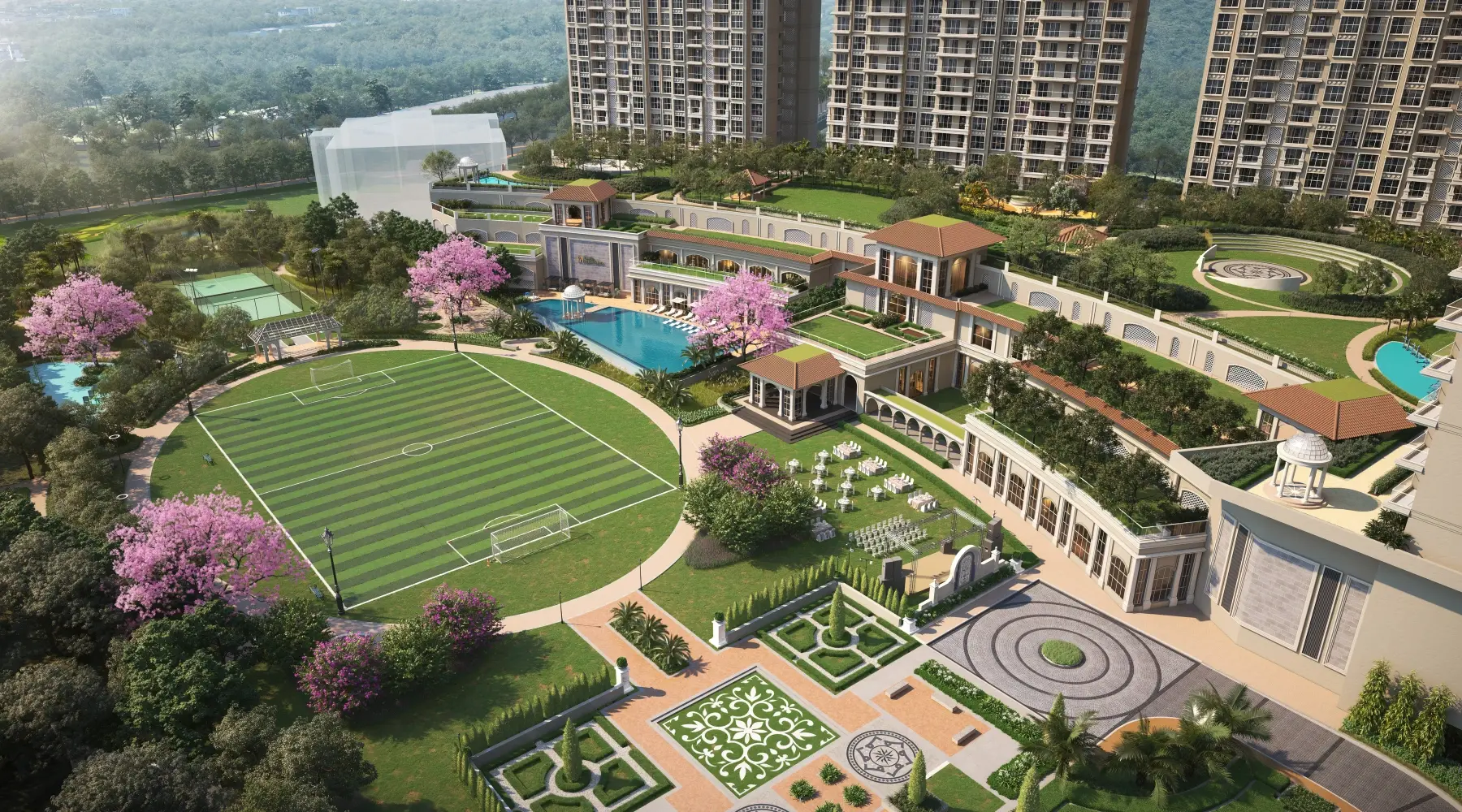
The 20:20:60 payment plan is a construction-linked payment structure where a buyer pays 20% at booking, another 20% within a defined period (often linked to agreement execution or an early construction stage), and the remaining 60% at possession or in stages tied to project completion. It's a common structure for premium under-construction projects like L&T Thanisandra, designed to balance developer cash flow needs with buyer risk.
If you've come across the 20:20:60 payment plan while evaluating a project like L&T Thanisandra, it's worth understanding exactly how each tranche works before you commit — because the label sounds simple, but the fine print on timing and conditions varies meaningfully between developers.
Step 1: Understand What Each Number Represents
Before anything else, break the ratio down into its actual components:
- First 20% — typically due at booking, sometimes split further into a token/application amount followed by the balance within a short window (commonly 15–30 days)
- Second 20% — usually due on execution of the Agreement for Sale, or occasionally tied to an early construction milestone such as foundation or plinth completion
- Remaining 60% — the largest tranche, generally spread across possession or split further into sub-stages tied to construction progress (slab completion, brickwork, finishing) before a final payment at handover
The exact triggers for each tranche should be explicitly listed in your payment schedule document, not left as a verbal understanding. For a project like L&T Thanisandra, confirm the precise milestone definitions directly through the official project page before assuming a generic structure applies.
Step 2: Confirm the Booking Amount Requirements
The first 20% often isn't collected as a single lump sum. Many developers require:
- A smaller initial token or application amount to hold the unit
- The balance of the first 20% within a short, specified window afterward
Ask explicitly whether the full 20% is due immediately, or if it's staged this way — this affects your near-term liquidity planning more than the headline "20%" figure suggests.
Step 3: Understand What Triggers the Second 20%
This is where buyers most often get caught off guard. The second tranche is not always time-based (e.g., "60 days after booking") — it's frequently milestone-based, meaning it's due when a specific construction stage is reached, regardless of how long that takes. If construction is delayed, this tranche's due date shifts accordingly, which can work in the buyer's favor compared to a fixed calendar-based demand.
Get written clarity on:
- Whether this tranche is calendar-based or milestone-based
- What specific milestone triggers it (agreement execution, foundation, plinth, or another defined stage)
- Whether there's a grace period if the milestone is delayed
Step 4: Map Out the Remaining 60% in Detail
The final 60% is rarely a single payment — it's usually broken into several sub-tranches tied to progressive construction stages, with the last portion due at possession. A typical breakdown might look like:
- A portion at slab or structural completion
- A portion at brickwork or plastering stage
- A portion at finishing stage
- The final balance at possession, alongside registration and other statutory charges
Request the full sub-schedule for this 60% rather than treating it as one distant future payment — this is the portion most closely tied to your home loan disbursement schedule if you're financing the purchase.
Step 5: Align the Plan With Your Home Loan Disbursement
If you're using a home loan, your bank will disburse funds against construction progress, generally matching a similar milestone-linked logic to the 20:20:60 structure. However, banks don't always disburse at the exact same pace as the developer's demand schedule. Before finalizing:
- Share the full payment schedule with your bank to confirm their disbursement timeline matches
- Identify any gap where the developer's demand falls due before your loan tranche is expected to release, since you'd need to bridge that gap with personal funds temporarily
Step 6: Check How Offers and Charges Interact With This Plan
Some developer offers — waived floor rise charges, PLC discounts, or reduced booking amounts — are only available under specific payment plans. Confirm whether the 20:20:60 structure being offered for L&T Thanisandra carries the same benefits as other plans (like a flexi or subvention structure), or whether it's priced differently. For a deeper look at how such variables are typically structured across configurations, this detailed L&T Thanisandra resource is a useful companion reference.
Step 7: Verify the Plan Against RERA Disclosures
Any payment plan a developer offers must align with what's disclosed in the project's RERA registration, since RERA regulates how developers can collect payments relative to construction progress — developers generally cannot demand more than a certain percentage before specific construction stages are achieved. Cross-check the plan structure against the project's listing on the Karnataka RERA portal before signing the agreement for sale.
Step 8: Factor In Your Own Timeline and Purpose
Finally, weigh the 20:20:60 structure against your own plans for the property:
- If you plan to occupy immediately at possession, a heavier back-loaded plan (like 20:20:60) generally suits you well, since it minimizes idle cash tied up during construction.
- If you're an investor planning to rent out the unit, remember that rental income only begins after possession and tenant placement — factor the corridor's demand near Manyata Tech Park and roughly 25 minutes from Kempegowda International Airport into how quickly you expect occupancy to materialize post-handover.
Frequently Asked Questions
Is the 20:20:60 plan the only payment option available?
No — developers often offer multiple structures, including construction-linked, flexi, or subvention plans. Confirm which options apply specifically to your chosen configuration.
Does the 20:20:60 plan cost more than paying upfront?
Not necessarily more in absolute terms, but staged payments mean you retain funds longer, which has its own opportunity cost or benefit depending on your financial situation. Confirm whether any discount exists for a full upfront payment.
What happens if I miss a payment under this plan?
Delayed payments typically attract interest penalties as defined in the agreement for sale — get the exact penalty terms in writing before signing.
Can the 60% portion be paid entirely through a home loan?
Generally yes, but disbursement will follow your bank's own construction-linked schedule, which may not perfectly align with the developer's demand dates — confirm this alignment before finalizing your plan.